
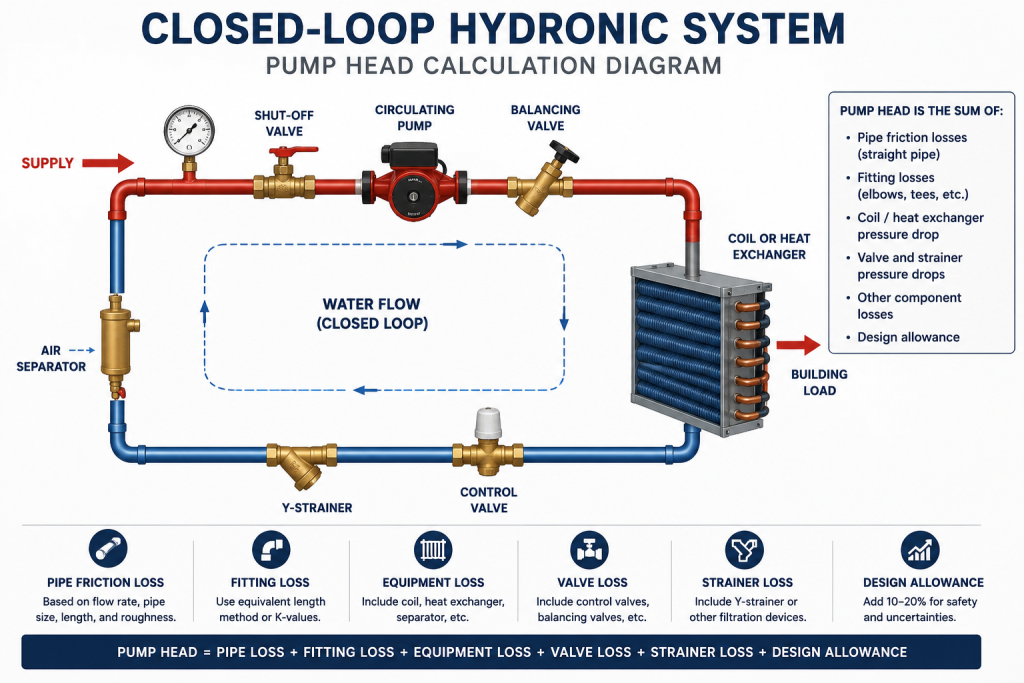
Selecting a hydronic pump requires more than entering a building height and choosing a circulator. In a closed-loop chilled-water or heating-water system, the pump must overcome the friction and component losses along the critical circuit while maintaining the required design flow. This article explains a practical method for calculating preliminary closed-loop hydronic pump head and […]
Author Archives: HVACICI Engineering Team
06
May
May
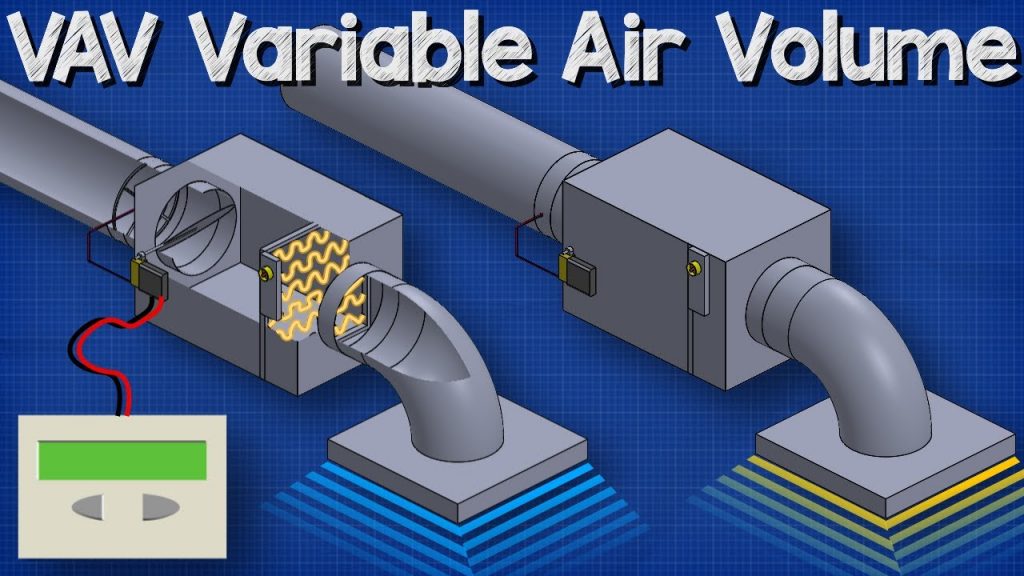
Introduction to VAV Systems HVAC systems, which are crucial for controlling cool air and purifying indoor air, are the main systems inside buildings. Additionally, VAV systems, commonly utilized in the HVAC sector, significantly enhance energy efficiency and ensure more precise temperature control. VAV systems exhibit dynamic behavior by adjusting airflow volume to different building areas. […]
06
May
May
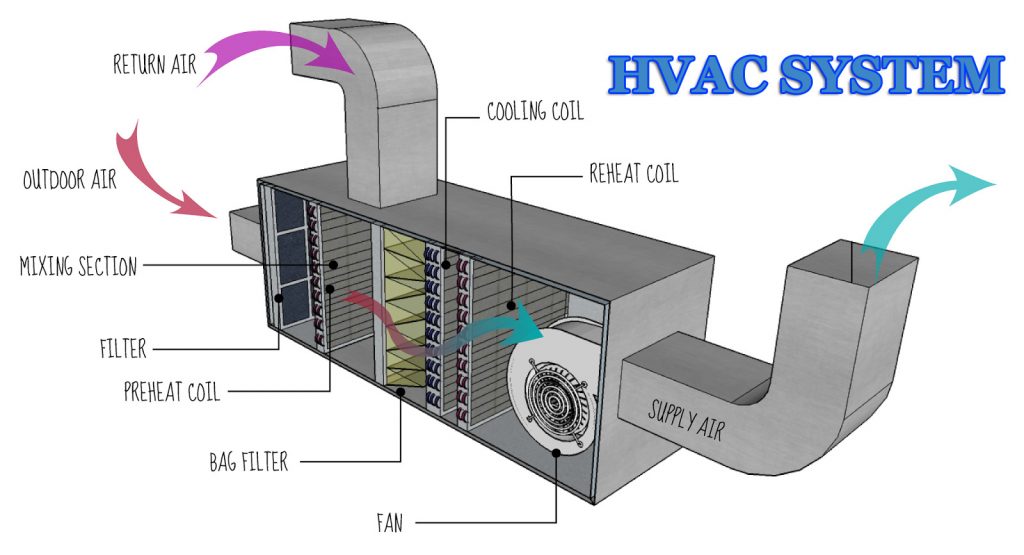
Introduction to Industrial HVAC What Is Industrial HVAC? Industrial HVAC stands for Heating, Ventilation, and Air Conditioning systems designed specifically for industrial spaces. Unlike residential or commercial HVAC systems tailored for smaller areas and usual conditions. Industrial HVAC systems are designed robustly and furnished to sustain the particular requirements of large manufacturing facilities, warehouses, or […]
03
May
May
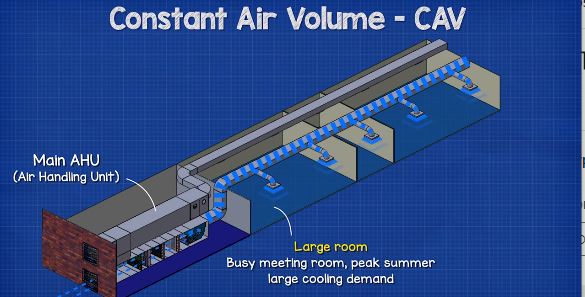
Introduction to Air Volume Systems Understanding Constant Air Volume (CAV) CAV systems are like the unchanging rhythm of a drum, which maintains the system’s flow. In such systems, the amount of air reaching a space remains unchanged regardless of any variations in heating or cooling needs. Consider this scenario: you have a fan creating a […]

27
Feb
Feb
This article shows how engineers used a supply air dew point of 45°F on an HVAC system retrofit with active desiccant dehumidification on a high school HVAC system retrofit project, resulting in significant energy savings for the district. The design and installation addressed concerns associated with chronic high indoor humidity at a high school in […]